The Bro Notes, Reading The Brothers Karamazov: The Bro-ening, A Woman’s Journey is a year long journey to complete this classic novel by Fyodor Dostoevsky.
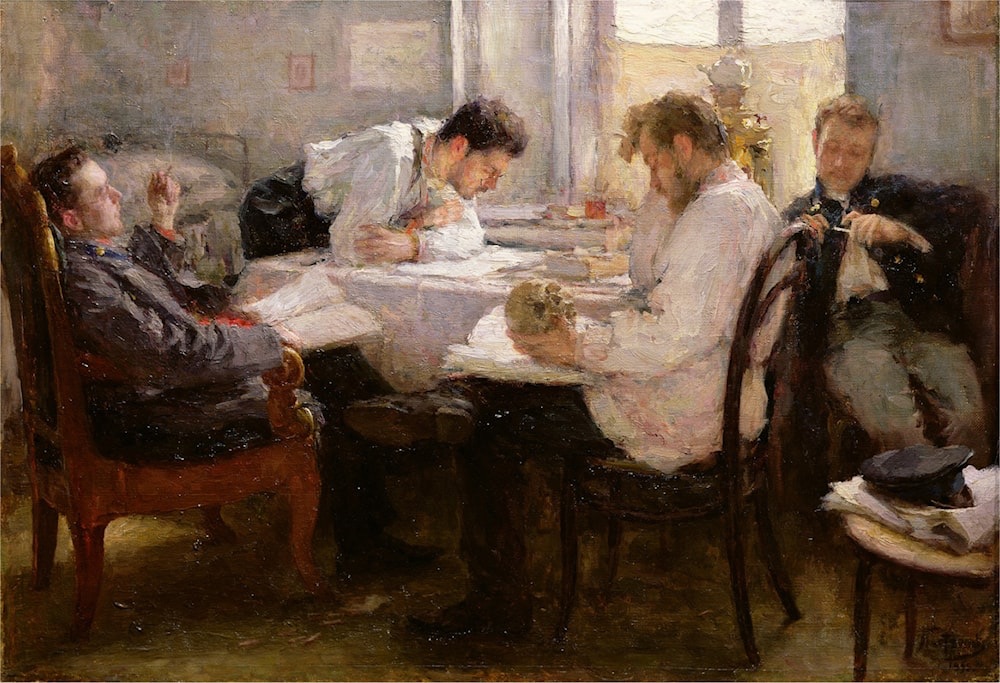
The Brothers Karamazov by Fyodor Dostoevsky was an amazing reading experience. IT falls under the category of books that I love the best, weird with moments that provoke eyebrow lifting, laughing out loud, and blood rushing to my head after reading sentences so well put together that I kind of die a little inside.
Sigmund Freud was right about this and only this (His quote “The most magnificent novel ever written.” is the only review on the back of the Penguin Classic edition).
This has become third on my list of the best books that I’ve ever read, falling hairs short after Carpentaria and Praiseworthy by Alexis Wright (who again, again, and every chance I get to say this, are books that everyone must read).
I didn’t go into this book to learn anything, but to be entertained. Entertained I was. These characters were the drama. Mitya might ask ‘Am I the drama?’ with a vacant and unaware stare, but after reading you would want to stare back with a vacant and fiercely intent stare.
A part of me always thinks a little poorly on myself for not trying to dissect some intelligent and thought provoking commentary but it was not as if the point didn’t get across. The lessons glide into your head without much effort. If I didn’t fully grasp a chapter, I would listen to it. If I still didn’t get it, I would read it again. I think if you’re weary of feeling like an idiot reading it (like I did), put those reservations away. Dostovesky’s got you.
The book is chunky, but I both read and listened to the audiobook (narrated by Luke Thompson, who is an ACTOR in the way he brings flavor to every single character that makes you think there’s more than one narrator) and I separated the pages with tabs to make mileage markers, so to speak. These small details helped me from becoming overwhelmed.
What also helps is that the text is highly readable. It’s funny. It’s thoughtful. Dostovesky makes you both hate and love his characters with just a couple of well placed words. My copy is cracked (broken spines are my personal bane), but I like seeing the dents and flipped corners of the pages. There are a dozens of tabs marking my favorite sentences.
There is an outright joy in finishing something that I didn’t think I would finish and didn’t think I would understand.